

Organic PCMs
Reliable Organic Phase Change Materials for Thermal Energy Storage and Thermal Management
Introduction
- Organic PCMs are phase change materials composed of carbon-based compounds that store and release thermal energy through reversible solid–liquid phase transitions. By absorbing heat during melting and releasing it during solidification, organic phase change materials enable passive temperature regulation within a defined temperature range.
- As one of the two primary PCM classifications, organic phase change materials are widely adopted in applications where material stability, non-corrosiveness, and ease of integration are critical. Their predictable thermal behavior and compatibility with common system designs make them a practical choice across building systems, packaging, and thermal management solutions.
- As a material category, organic PCMs focus on balancing thermal performance with material stability and integration simplicity. This classification helps system designers quickly identify PCM solutions that are suitable for long-term use without complex corrosion control or material compatibility concerns.
Key Characteristics
Organic PCMs share several defining characteristics that distinguish them from inorganic alternatives:
- Chemically stable and non-corrosive, suitable for use with common construction and containment materials
- Predictable phase change behavior with repeatable thermal performance over multiple cycles
- Broad availability across different temperature ranges
- Compatible with standard encapsulation methods and modular thermal storage designs
These characteristics make organic phase change materials particularly suitable for applications requiring long-term reliability and simplified system integration.
Thermal Behavior
- Organic PCMs store thermal energy primarily through latent heat during solid–liquid phase transitions. Their phase change typically occurs within a relatively narrow temperature window, enabling consistent temperature regulation under steady operating conditions.
- While organic PCMs generally exhibit lower thermal conductivity compared to inorganic PCMs, this behavior can be effectively managed through system-level design, such as optimized heat exchange surfaces or encapsulation geometry. As a result, organic PCMs are commonly selected for applications where controlled temperature stability is prioritized over rapid heat transfer.
Organic PCMs vs Inorganic PCMs
| Aspect | Organic PCMs | Inorganic PCMs |
|---|---|---|
| Material Type | Carbon-based organic compounds | Inorganic salts or salt-based compounds |
| Common Examples | Normal paraffin, bio-based PCMs | Hydrate salt PCMs |
| Phase Change Behavior | Stable and predictable | High energy density with sharp phase transition |
| Thermal Conductivity | Generally lower | Generally higher |
| Corrosiveness | Non-corrosive | May require corrosion management |
| Cycling Stability | Good long-term stability | Requires performance stabilization |
| Integration Complexity | Easier to integrate | Higher system design requirements |
| Typical Applications | Building systems, packaging, electronics | Industrial thermal storage, high-density systems |
Types of Organic PCMs
- Organic phase change materials include multiple material routes designed to address different application priorities:
- Each material type within the organic PCM category addresses specific performance and selection criteria.
Normal Paraffin Based PCMs
Normal paraffin based PCMs are petroleum-derived organic materials with uniform molecular structures, offering narrow phase change ranges and highly predictable long-term performance.
Bio-based PCMs
Bio-based PCMs are derived from renewable biological sources and are developed for applications where sustainability and environmental considerations are increasingly important.
Typical Applications
- Organic PCMs are widely applied in systems where stable temperature regulation, material safety, and low maintenance requirements are essential. Their balanced performance makes them suitable for both commercial and industrial thermal management applications.

Building thermal energy storage and HVAC load management

Passive thermal regulation systems

Temperature-controlled packaging for food and pharmaceutical logistics

Medical and healthcare storage environments
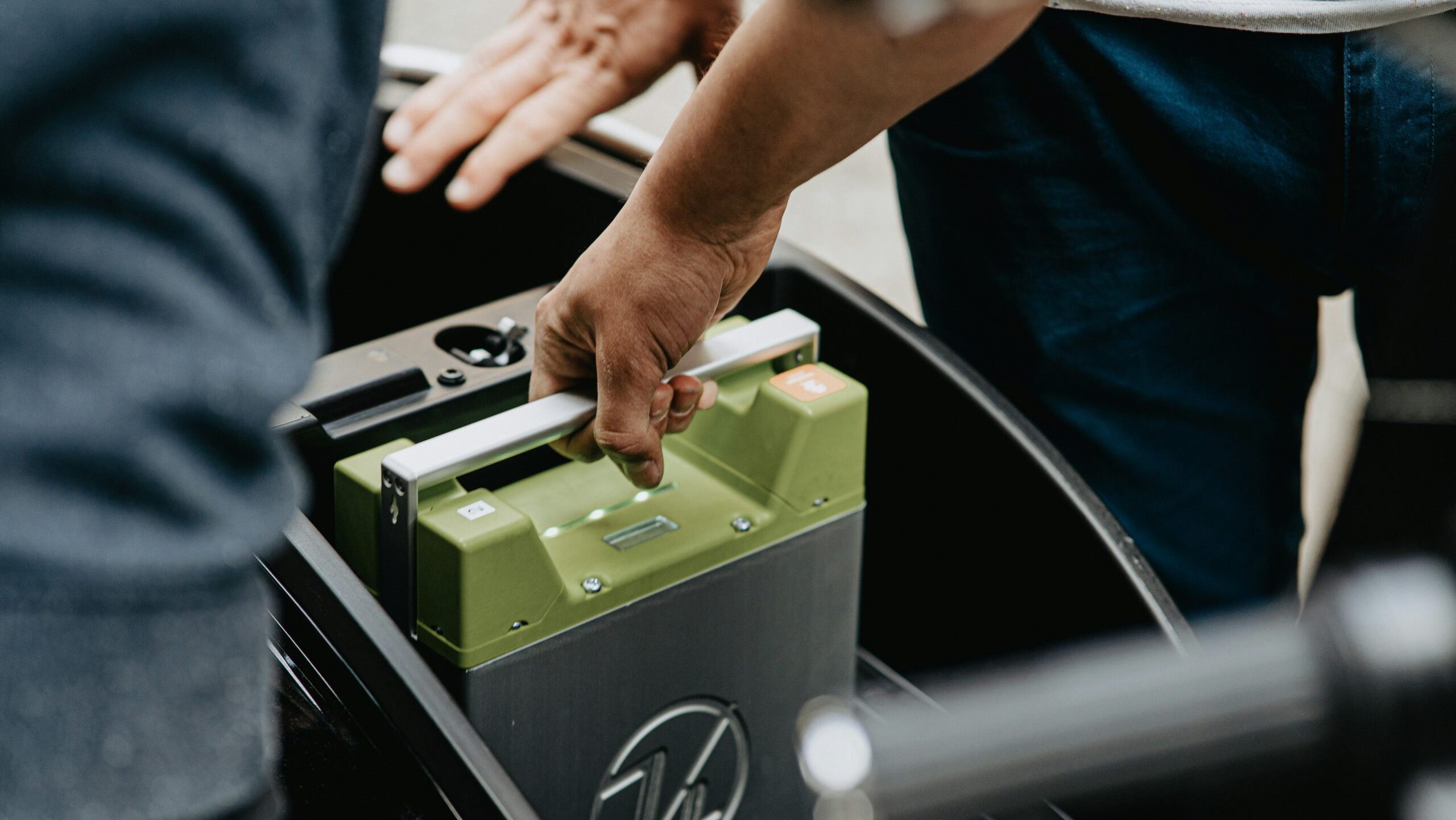
Electronics, battery systems, and enclosure thermal management
How PCMCOOL Works with Organic PCMs
PCMCOOL provides organic PCM solutions through structured material selection, encapsulation support, and application-oriented engineering assistance. Our organic PCM portfolio is designed to support reliable thermal performance while simplifying system integration across different use cases.
Need help selecting the right organic PCM material?
Explore PCMCOOL’s organic PCM solutions or contact our engineering team to discuss material classification, selection logic, and system integration strategies.
👉 Contact Us for Technical Consultation