
Paraffin Wax Phase Change Material Applications: Comprehensive Industry Guide
16 min read • Material Science
Among the diverse range of phase change materials available today, paraffin wax stands out as the most versatile and widely implemented solution across numerous industries. Paraffin wax phase change material applications span from cutting-edge electronics cooling to traditional building thermal management, offering reliable, cost-effective thermal regulation solutions.
Understanding Paraffin Wax as a PCM
Paraffin wax, chemically composed of saturated hydrocarbons (alkanes), exhibits ideal characteristics for phase change thermal management applications. The material’s ability to absorb and release substantial amounts of latent heat during solid-liquid transitions, combined with its chemical stability and non-toxicity, makes it particularly suitable for diverse applications.
The effectiveness of paraffin wax phase change material applications stems from several key properties: high latent heat capacity (typically 150-250 J/g), precise melting point control through molecular chain length manipulation, excellent thermal cycling stability, and compatibility with various encapsulation methods.
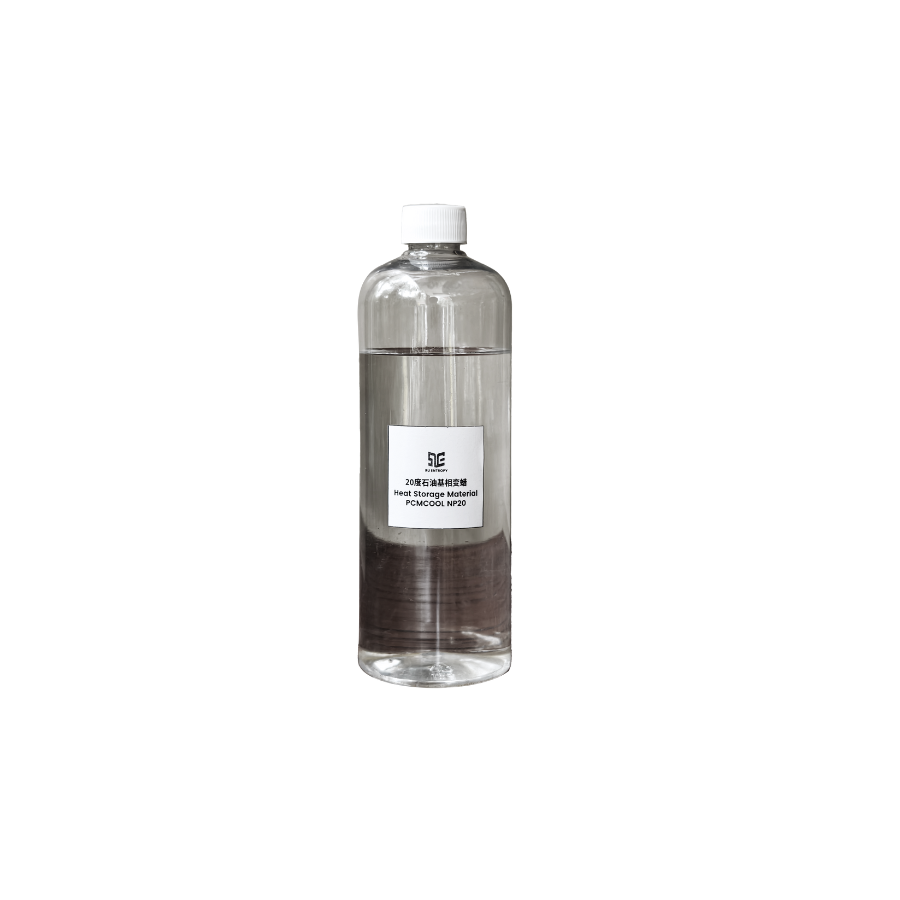
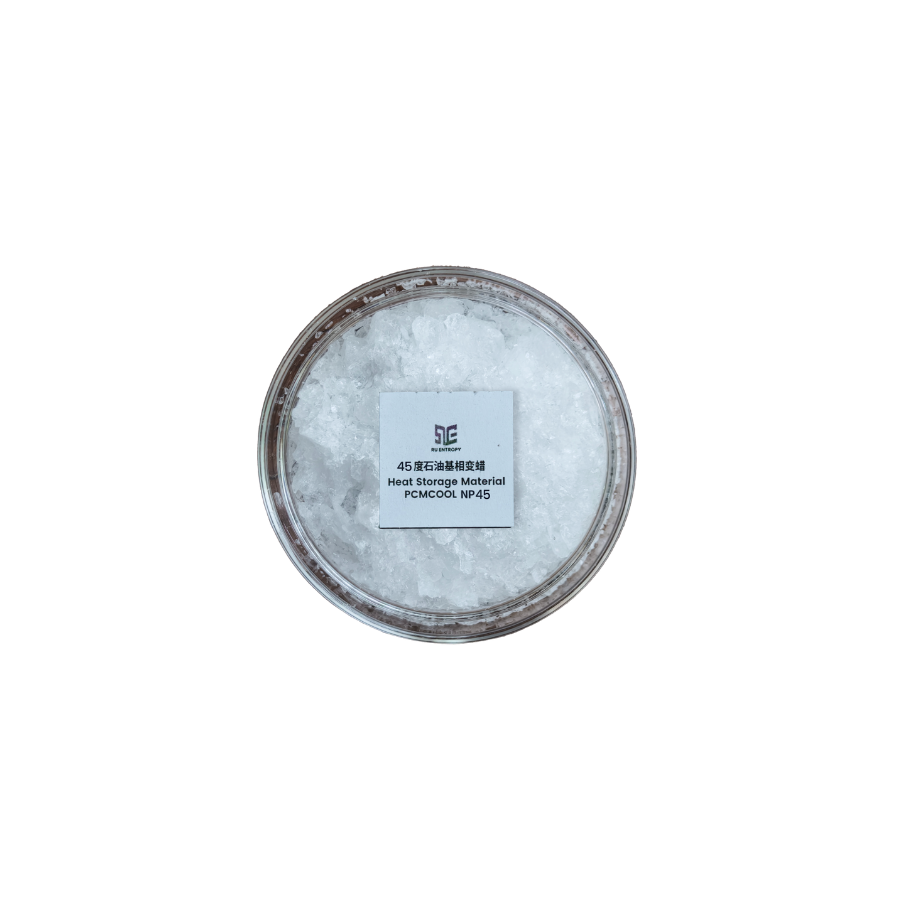
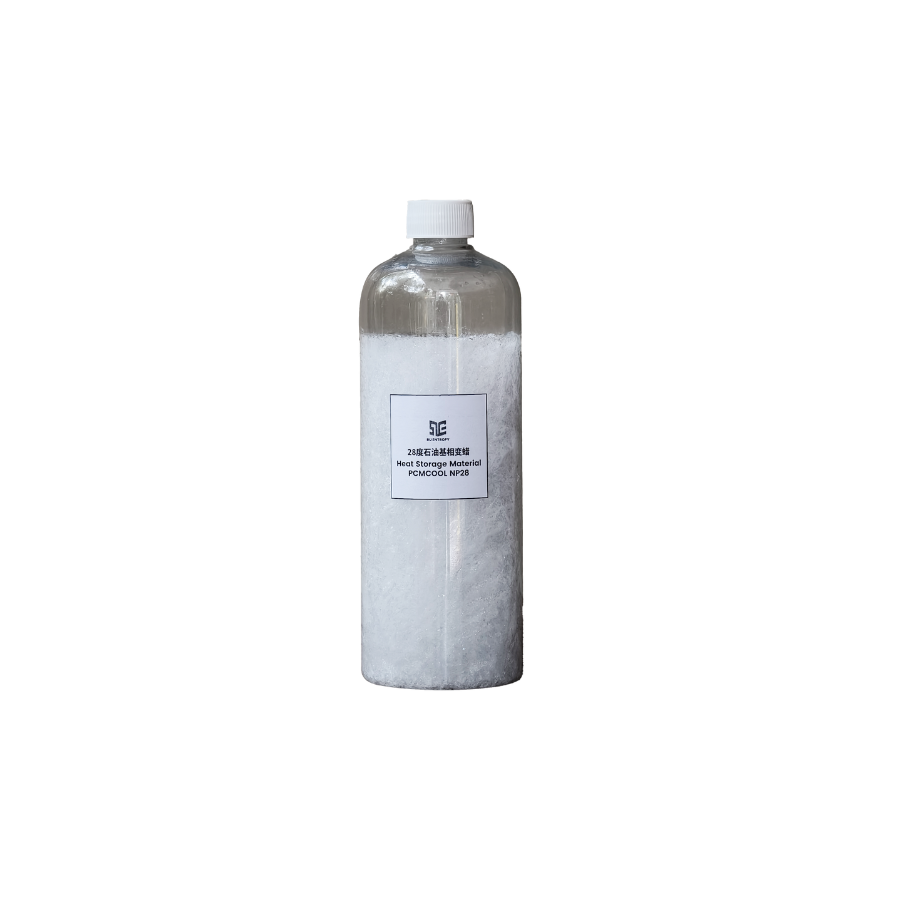
Key Properties of Paraffin Wax Phase Change Materials:
Melting range: 20-70°C (68-158°F)
Latent heat: 150-250 J/g
Chemical stability: Excellent
Cycling stability: >10,000 cycles
Non-toxic: Safe for various applications
Cost-effective: Readily available
Low density: 0.8-0.9 g/cm³
Low flammability: Safe handling
Electronics and Thermal Management Applications
The electronics industry represents one of the fastest-growing sectors for paraffin wax phase change material applications. As electronic devices become more powerful and compact, thermal management challenges intensify, creating opportunities for innovative PCM solutions.
Computer and Server Cooling
High-performance computing systems generate significant heat loads that traditional air cooling cannot adequately address. Paraffin wax PCMs integrated into heat sinks and thermal interface materials provide passive cooling that adapts to varying computational loads, maintaining optimal processor temperatures while reducing fan noise and power consumption.
Processor Cooling
Direct integration into CPU heat spreaders and thermal interface materials for peak load management and temperature spike reduction.
Data Center Applications
Large-scale thermal management systems using paraffin PCMs for load balancing and emergency cooling during HVAC system failures.
Consumer Electronics Integration
Smartphones, tablets, and laptops increasingly incorporate paraffin wax PCMs to manage heat generated by high-performance processors and batteries. These applications require ultra-thin PCM layers that provide thermal buffering without adding significant weight or thickness to devices.
LED and Lighting Applications
LED lighting systems benefit from paraffin PCM integration to maintain consistent light output and extend component life. PCM-enhanced heat sinks absorb heat during operation and release it during off periods, preventing thermal damage and maintaining color consistency.
Building and Construction Applications
The electronics industry represents one of the fastest-growing sectors for paraffin wax phase change material applications. As electronic devices become more powerful and compact, thermal management challenges intensify, creating opportunities for innovative PCM solutions.
The construction industry has embraced paraffin wax phase change material applications for improving building energy efficiency and occupant comfort. Integration methods range from direct incorporation into building materials to standalone thermal management systems.
Wall and Ceiling Systems
Paraffin wax PCMs integrated into drywall, plaster, and ceiling tiles create thermal mass in lightweight construction. These systems moderate indoor temperature fluctuations, reducing HVAC system cycling and improving comfort during power outages or system maintenance.
Building Integration Methods:
Microencapsulation in Gypsum: Direct mixing with wallboard materials
Panel Systems: Dedicated PCM panels for retrofit applications
Paint and Coatings: Surface-applied thermal regulation systems
Concrete Integration: PCM incorporation in structural elements
Window and Glazing Applications
Transparent and translucent paraffin PCM systems in window assemblies manage solar heat gain while maintaining natural lighting. These innovative solutions address the thermal challenges of large glazed facades in commercial buildings.
Underfloor Heating Enhancement
Paraffin PCM integration with radiant floor heating systems extends heat retention and improves system responsiveness. PCM-enhanced systems continue providing warmth during heating system off-cycles, improving comfort and energy efficiency.
Textile and Apparel Applications
The textile industry has developed innovative applications for paraffin wax PCMs in thermoregulating fabrics and clothing systems. These applications provide personal climate control that adapts to changing environmental conditions and activity levels.
Microencapsulated Fiber Integration
Paraffin PCMs incorporated into synthetic fibers create thermoregulating textiles that maintain comfortable skin temperatures across varying ambient conditions. These fibers can be woven into various fabric constructions for different application requirements.
Athletic Wear
Temperature regulation during exercise and recovery, maintaining optimal body temperature for performance and comfort.
Protective Clothing
Heat stress reduction in industrial and military applications where workers face extreme temperature conditions.
Medical Textiles
Temperature therapy applications and patient comfort enhancement in healthcare settings.
Bedding and Sleep Systems
Paraffin PCM integration in mattresses, pillows, and bedding materials creates sleep environments that adapt to individual body temperatures and sleep cycle variations. These systems improve sleep quality by maintaining optimal thermal comfort throughout the night.
Automotive and Transportation Applications
The automotive industry increasingly relies on paraffin wax phase change material applications for thermal management in both conventional and electric vehicles. These applications address challenges ranging from engine cooling to cabin comfort and battery thermal management.
Engine and Powertrain Cooling
Paraffin PCMs integrated into engine cooling systems provide thermal buffering during warm-up periods and extreme operating conditions. These systems reduce thermal stress on engine components and improve overall powertrain durability.
Electric Vehicle Battery Management
Electric vehicle battery packs benefit from paraffin PCM thermal management systems that maintain optimal operating temperatures during charging and discharging cycles. PCM systems prevent thermal runaway conditions while extending battery life and performance.
Automotive PCM Benefits:
Battery Life Extension: Optimal temperature maintenance reduces degradation
Cabin Comfort: Passive climate control reduces HVAC energy consumption
Weight Reduction: Lighter than traditional thermal mass materials
Maintenance Reduction: Passive systems require minimal servicing
Seat and Interior Climate Control
Paraffin PCM integration in vehicle seats and interior panels provides localized thermal comfort that reduces overall HVAC system demands. These applications improve passenger comfort while extending electric vehicle range by reducing energy consumption.
Food and Cold Chain Applications
The food industry utilizes paraffin wax PCMs for temperature-controlled transportation and storage applications. These systems maintain food safety and quality during distribution while reducing refrigeration energy requirements.
Shipping and Packaging
Paraffin PCM integration in shipping containers and packaging materials maintains temperature-sensitive products during transportation. These passive systems provide backup thermal protection during refrigeration system failures and reduce overall cold chain energy consumption.
Retail and Display Applications
Food display cases and refrigeration systems benefit from paraffin PCM thermal buffering that maintains consistent temperatures during defrost cycles and peak load conditions. PCM systems reduce temperature fluctuations that can compromise food quality and safety.
Engine and Powertrain Cooling
Paraffin PCMs integrated into engine cooling systems provide thermal buffering during warm-up periods and extreme operating conditions. These systems reduce thermal stress on engine components and improve overall powertrain durability.
Electric Vehicle Battery Management
Electric vehicle battery packs benefit from paraffin PCM thermal management systems that maintain optimal operating temperatures during charging and discharging cycles. PCM systems prevent thermal runaway conditions while extending battery life and performance.
Automotive PCM Benefits:
Battery Life Extension: Optimal temperature maintenance reduces degradation
Cabin Comfort: Passive climate control reduces HVAC energy consumption
Weight Reduction: Lighter than traditional thermal mass materials
Maintenance Reduction: Passive systems require minimal servicing
Seat and Interior Climate Control
Paraffin PCM integration in vehicle seats and interior panels provides localized thermal comfort that reduces overall HVAC system demands. These applications improve passenger comfort while extending electric vehicle range by reducing energy consumption.
Address List
- #707 Jia Qian Road Nanxiang, Jiading Shanghai, China
- +86 13301781710
- info@pcmcool.com
Social Networks
- Shawn Lee
- +86 1330178710
Links
Ru Entropy Technology Co., Ltd.
- © 2025 Ru Entropy Technology Co., Ltd.
- All Rights Reserved
- PCMCOOL® is a registered trademark of Ru Entropy