PCM

PCMCOOL NP | PCMCOOL Bio | PCMCOOL HS | PCMCOOL Micro

PCMCOOL® NP

  • Normal Paraffin Based Phase Change Materials (PCMs)
  • Raw Materials: Tetradecane, Hexadecane, Heptadecane, Octadecane
  • • PCMCOOL NP2
  • • Phase Change: 2℃
  • • Latent of heat: 210j/g
normal paraffin based pcm
  • • PCMCOOL NP5
  • • Phase Change: 5℃
  • • Latent of heat: 220j/g
  • • PCMCOOL NP15
  • • Phase Change: 15℃
  • • Latent of heat: 220j/g
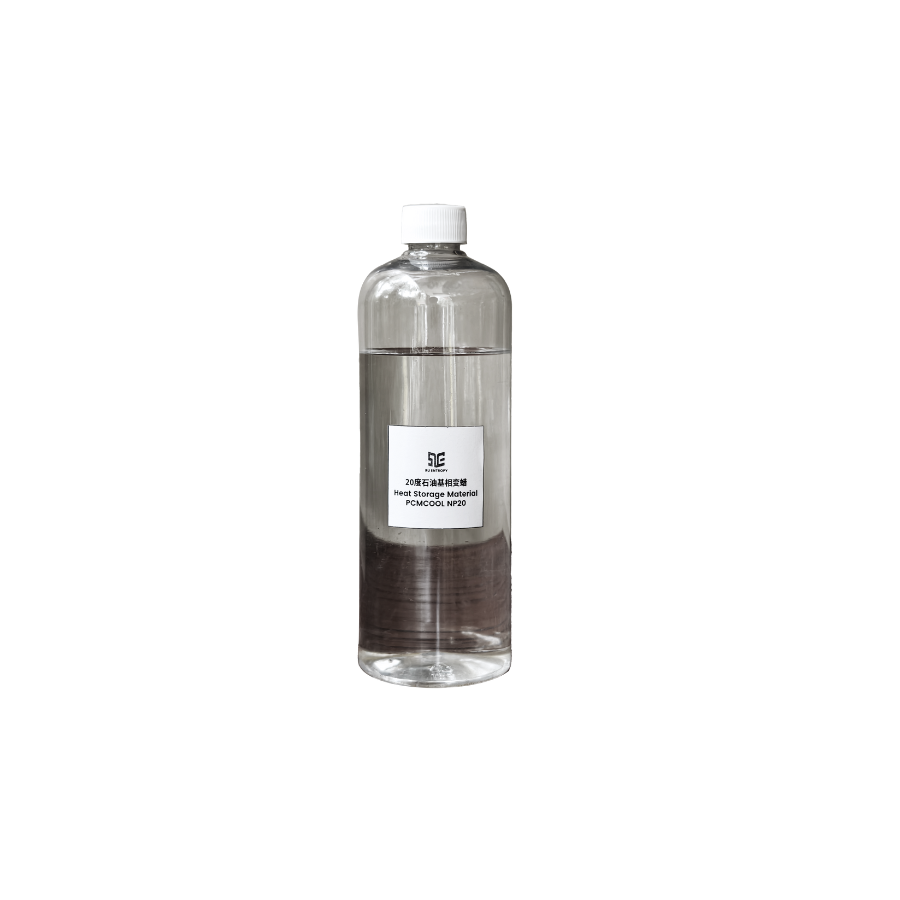
  • • PCMCOOL NP20
  • • Phase Change: 20℃
  • • Latent of heat:  210j/g
  • • PCMCOOL NP22
  • • Phase Change: 22℃
  • • Latent of heat: 210j/g
  • • PCMCOOL NP25
  • • Phase Change: 25℃
  • • Latent of heat: 220j/g
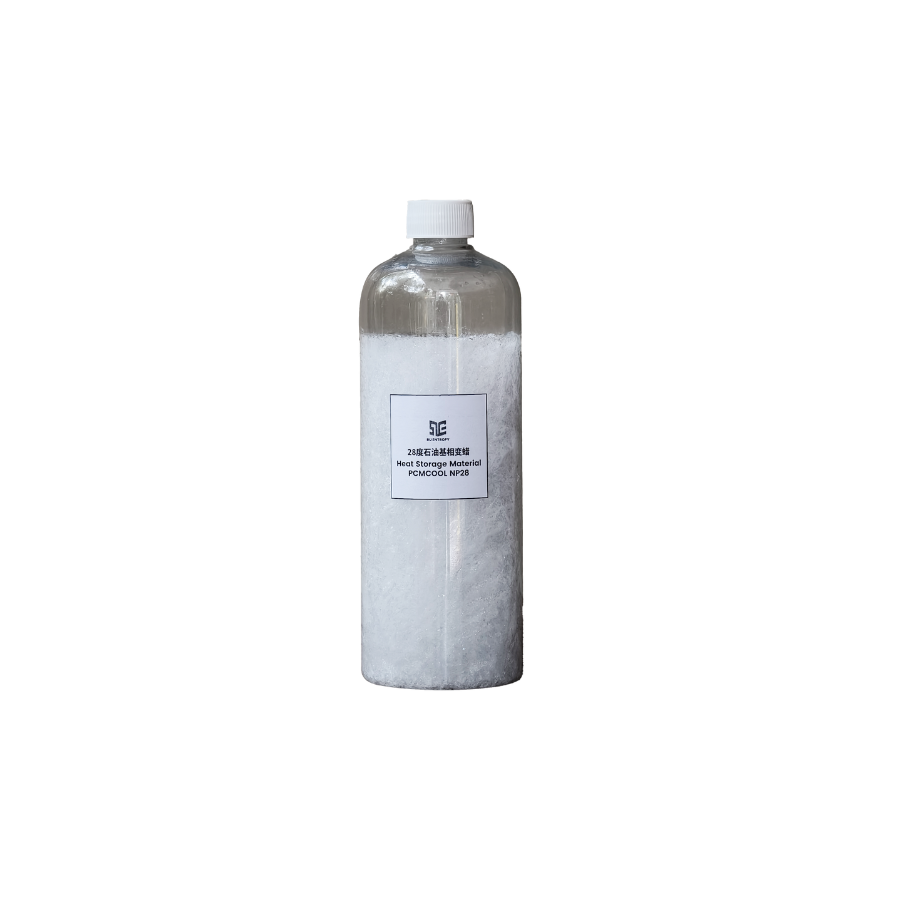
  • • PCMCOOL NP28
  • • Phase Change: 28℃
  • • Latent of heat: 230j/g

Product Introduction

  • PCMCOOL® NP represents our premium line of normal paraffin-based phase change materials, engineered for reliable thermal energy storage across industrial and commercial applications.
  •  
  • As hydrocarbon-based PCMs, these materials deliver exceptional performance through precise phase transition properties.

  •  

Technical Specifications


  • Property
  • Specification
  • Base Material
  • High-purity n-alkanes
  • Phase Change Type
  • Solid-Liquid
  • Density
  • 0.75-0.85 g/cm³
  • Thermal Conductivity
  • 0.15-0.25 W/(m·K)
  • Volume Change
  • 10-15% during phase transition
  • Available Formats
  • Bulk material (granules/pellets)
  • Sheet/film composites
  • Custom-encapsulated modules

Typical Applications

  • • Temperature-controlled packaging
  • • Pharmaceutical logistics (15-25°C range)
  • • Food cold chain solutions
  • • Building energy management
  • • Passive cooling in construction materials
  • • Thermal storage in HVAC systems
  • • Industrial processes
  • • Waste heat recovery systems
  • • Electronics thermal buffering

Core Advantages

  • 🌡️Temperature Precision
    • Available in multiple phase change points from 15°C to 80°C
    • ±1°C transition stability during repeated cycling
  • ❄Superior Thermal Performance
    • High latent heat capacity: 180-240 kJ/kg
    • Low supercooling degree (<2°C)
  • ⚛️Material Advantages
    • Excellent thermal cycling stability (500+ cycles)
    • Non-corrosive and chemically inert
    • Compatible with most container materials
  • ♻️Safety Certified
    • Non-toxic formulation
    • ROHS/REACH compliant

Why Choose PCMCOOL® NP?

  • As China’s leading PCM manufacturer, Ru Entropy enhances standard paraffin PCMs with:
  • Nucleating additives to prevent supercooling
  • Composite formulations to improve thermal conductivity
  • Customizable packaging solutions (macroencapsulation options)

PCMCOOL® Bio

  • Sustainable Bio-Based Phase Change Materials(PCMs)
  • Eco-Conscious Thermal Management
pcm
  • • PCMCOOL Bio18
  • • Phase Change: 18℃
  • • Latent of heat: 200j/g
bio-based pcm
  • • PCMCOOL Bio23
  • • Phase Change: 23℃
  • • Latent of heat: 205j/g
bio-based pcm
  • • PCMCOOL Bio24
  • • Phase Change: 24℃
  • • Latent of heat: 180j/g
  • • PCMCOOL Bio28
  • • Phase Change: 28℃
  • • Latent of heat:  200j/g
phase change material
  • • PCMCOOL Bio38
  • • Phase Change: 38℃
  • • Latent of heat: 220j/g
  • • PCMCOOL Bio48
  • • Phase Change: 48℃
  • • Latent of heat: 210j/g
  • • PCMCOOL Bio58
  • • Phase Change: 58℃
  • • Latent of heat: 240j/g

Product Introduction

  • PCMCOOL® Bio represents our innovative line of plant-derived phase change materials, delivering high-performance temperature regulation while reducing environmental impact. These renewable PCMs combine natural sustainability with engineered thermal properties for green energy solutions.

Technical Specifications


  • Property
  • Specification
  • Base Composition
  • Vegetable esters & fatty acids
  • Phase Transition
  • Solid-Liquid
  • Density
  • 0.80-0.88g/cm³
  • Thermal Conductivity
  • 0.18-0.22 W/(m·K)
  • Flash Point
  • >200°C
  • Available Formats
  • Bulk bio-PCM compounds
    Encapsulated options

Typical Applications

  • Green Building Solutions
    • LEED-certified construction materials
    • Passive solar temperature regulation
    Sustainable Cold Chain
    • Organic food temperature control
    • Pharmaceutical-grade bio-PCM panels
    Consumer Products
    • Eco-friendly cooling textiles
    • Biodegradable temperature packs

Core Advantages

  • Sustainable Sourcing
    • Derived from plant oils and natural fatty acids
    • Carbon-neutral production process
    • Biodegradable options available
    🌱 Eco-Friendly Performance
    • Comparable energy storage to conventional PCMs (150-200 kJ/kg)
    • Non-toxic and food-contact safe
    • Free from heavy metals and parabens
  • 🔬 Engineered Reliability
    • Custom phase change points
    • Enhanced thermal cycle stability
    • Low supercooling characteristics
  • 📄Certified Green Solutions
  • • REACH/ROHS Certified

Why Choose PCMCOOL® Bio?

  • Ru Entropy enhances natural materials with:
    • Molecular stabilization for consistent performance
    • Custom blends for precise melting points
    • Composite formats (bio-foam matrices, microencapsulated)

PCMCOOL HS

  • Hydrate Salt Phase Change Materials – High-Performance Thermal Storage
  • Industrial-Grade Thermal Regulation
hydrate salt phase change material
  • • PCMCOOL NHS18
  • • Phase Change: -18℃
  • • Latent of heat: 280j/g
  • • PCMCOOL NHS16
  • • Phase Change: -16℃
  • • Latent of heat: 290j/g
  • • PCMCOOL NHS11
  • • Phase Change: -11℃
  • • Latent of heat: 288j/g
  • • PCMCOOL NHS5
  • • Phase Change: -5℃
  • • Latent of heat:  300j/g
  • • PCMCOOL NHS0
  • • Phase Change: 0℃
  • • Latent of heat: 333j/g
  • • PCMCOOL NHS24
  • • Phase Change: 24℃
  • • Latent of heat: 165j/g
  • • PCMCOOL NHS28
  • • Phase Change: 28℃
  • • Latent of heat: 180j/g

Product Introduction

  • PCMCOOL® HS represents our advanced line of inorganic hydrate salt PCMs, engineered for demanding applications requiring high energy density and precise temperature control. These materials deliver exceptional thermal storage capacity through optimized salt crystallization.

Technical Specifications

  • Property
  • Specification
  • Base Material
  • Modified salt hydrates
  • Phase Change Type
  • Solid-Liquid (with crystallization)
  • Density
  • 1.4-1.6 g/cm³
  • Thermal Conductivity
  • 0.5-0.7 W/(m·K)
  • Volume Change
  • <5% with stabilization

Typical Applications

  • Industrial Process Cooling
    • Foundry equipment thermal buffering
    • Chemical process temperature regulation
    Energy Systems
    • Concentrated solar power storage
    • District heating/cooling systems
    Extreme Environment Solutions
    • Cryogenic temperature applications
    • High-temperature process buffers

Core Advantages

  • ⚡ High Energy Density
  • Superior latent heat: 200-300 kJ/kg (30-50% higher than paraffin)
  • Sharp phase transition characteristics
  • 🌡️ Precision Temperature Control
  • Standard range: -30°C to +120°C
  • Custom formulations available
  •  
  • 🏭 Industrial Durability
  • Excellent thermal stability (>1000 cycles)Flame-retardant propertiesCompatible with metal encapsulation

Unique Formulation Technologies

  • • Supercooling Control – Proprietary nucleation additives
    • Phase Separation Prevention – Molecular stabilization
    • Corrosion Inhibition – Protective composite matrices
  • Available Formats
  • • Macroencapsulated modules
    • Thermal storage bricks
    • Direct integration compounds

Why Choose PCMCOOL® HS?

  • Ru Entropy overcomes traditional salt PCM challenges with:
    ✓ Modified hydration for reversible cycling
    ✓ Nanocomposite enhancement for thermal conductivity
    ✓ Encapsulation solutions for corrosion protection

PCMCOOL Micro

  • Microencapsulation PCM
  • • PCMCOOL Micro28
  • Phase Change: 28℃
  • • Latent of heat:  180-190j/g
  • • Form: Slurry or Powder

Address List

Social Networks

Ru Entropy Technology Co., Ltd.

  • © 2025 Ru Entropy Technology Co., Ltd.  All Rights Reserved
  • PCMCOOL® is a registered trademark of Ru Entropy