PCM Cooling Vest for Workers: Ultimate Protection Against Heat Stress

15 min read • Thermal Management

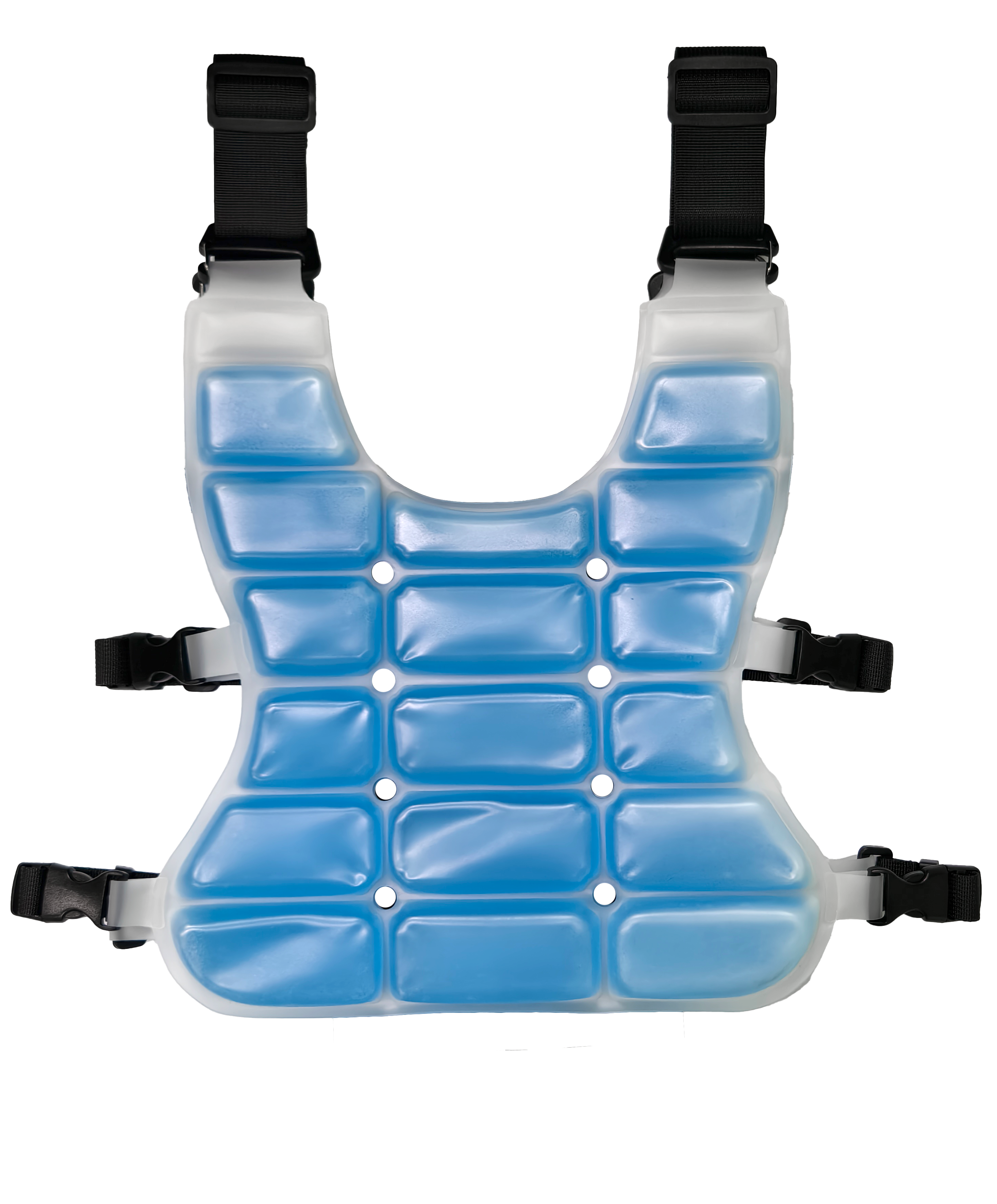
  • In today’s industrial landscape, worker safety in high-temperature environments has become a critical concern. The revolutionary PCM cooling vest for workers represents a breakthrough in personal protective equipment, offering advanced thermal regulation that can literally save lives in extreme heat conditions.PCM cooling vest for workers
  • Understanding PCM Technology in Cooling Vests
  • Phase Change Materials (PCMs) work on a simple yet ingenious principle: they absorb large amounts of heat when transitioning from solid to liquid state, maintaining a constant temperature during this phase change. When integrated into cooling vests, these materials create a personal climate control system that adapts to the wearer’s thermal needs.
  •  
  • The PCM cooling vest for workers typically contains specially designed packs filled with materials that melt at temperatures around 58-64°F (14-18°C). This temperature range is strategically chosen to provide cooling comfort while remaining safe for direct skin contact through fabric barriers.
  • Key Benefits of PCM Cooling Vests
    • Extended Cooling Duration: 2-8 hours of continuous cooling
      Consistent Temperature: Maintains steady cooling without temperature spikes
      No Power Required: Operates without batteries or external power sources
      Reusable Technology: Can be recharged hundreds of times
      Lightweight Design: Minimal impact on worker mobility

PCM cooling vest for workers

  • Industries Benefiting from PCM Cooling Vests
  • The applications for PCM cooling vest for workers span numerous industries where heat stress poses significant risks:
  1. Manufacturing & Steel
    Foundries, steel mills, and manufacturing facilities where workers face extreme ambient temperatures and radiant heat from machinery.
  2. Construction
    Outdoor construction projects, roofing, road work, and confined space operations in hot climates.
    Equipment Downsizing: 1030% reduction in HVAC system capacity requirements
  3. Emergency Services
    Firefighters, hazmat teams, and first responders working in protective suits in high-temperature emergencies.
  4. Maritime & Offshore
    Engine room workers, deck crews in tropical regions, and offshore oil platform personnel.PCM cooling vest for workers

  • Selecting the Right PCM Cooling Vest For Workers
  • Choosing the appropriate PCM cooling vest for workers requires careful consideration of several factors:
      • Temperature Range Considerations
        Different PCM formulations activate at various temperatures. For most industrial applications, PCMs with activation temperatures between 58-68°F (14-20°C) provide optimal comfort. Higher activation temperatures may be suitable for extremely hot environments where maximum cooling capacity is needed.
      • Duration Requirements
        Cooling duration varies significantly between vest designs. Basic models provide 2-3 hours of cooling, while advanced systems can maintain effectiveness for 6-8 hours. Consider shift lengths and break schedules when selecting duration capacity.
      • Comfort and Mobility Features
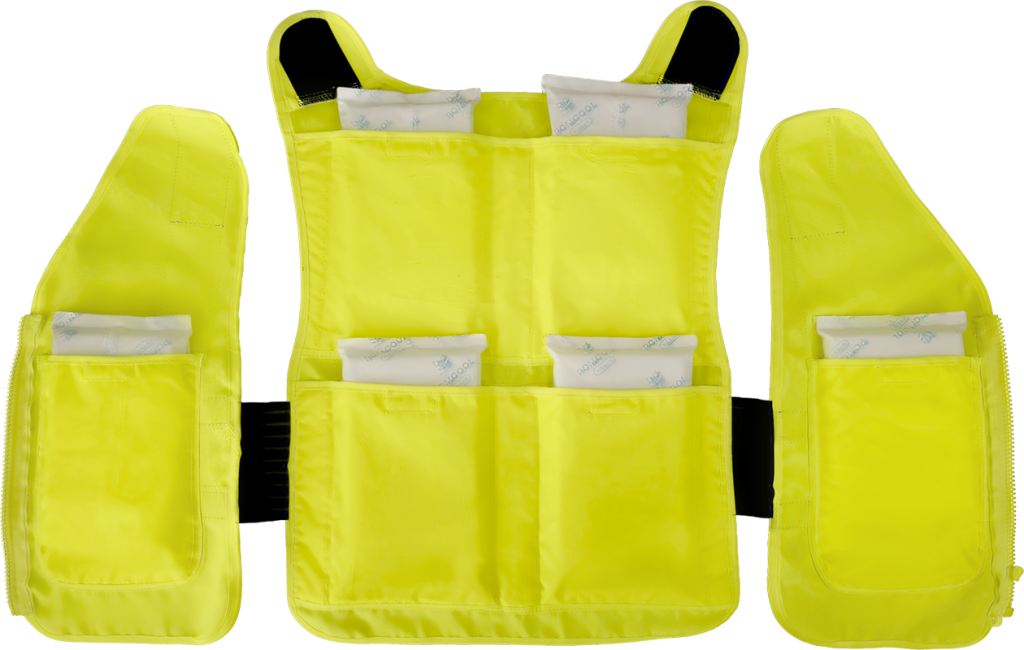
        Modern PCM vests incorporate ergonomic designs that distribute cooling packs evenly across the torso while maintaining flexibility. Look for adjustable sizing, breathable outer materials, and strategic pack placement that doesn’t interfere with tool belts or safety equipment.
  • Activation and Maintenance Procedures
      • 1. Place PCM packs in freezer or refrigeration unit for 30-45 minutes
        2. Ensure packs are completely solidified before use
        3. Insert packs into vest pockets according to manufacturer instructions
        4. Verify proper fit and comfort before beginning work activities
        5. Monitor cooling effectiveness throughout use period

  • Safety Considerations and Standards
  • While PCM cooling vests provide significant safety benefits, proper usage guidelines must be followed to maximize protection and prevent complications.
      • Medical Considerations
      • Workers with certain medical conditions should consult healthcare providers before using cooling vests. Individuals with circulatory disorders, diabetes, or temperature sensitivity may require specialized protocols or alternative cooling methods.
      •  
      • Integration with PPE Systems
      • PCM cooling vests must be compatible with existing personal protective equipment. Ensure that cooling systems don’t interfere with safety harnesses, respirators, or other critical safety gear. Some specialized vests are designed specifically for integration with hazmat suits or firefighting equipment.
  • Economic Impact and ROI
      • The implementation of PCM cooling vest programs delivers measurable returns on investment through multiple channels:
      • Cost-Benefit Analysis:
        Reduced Heat-Related Incidents: Lower medical costs and insurance claims
        Decreased Absenteeism: Fewer heat exhaustion and heat stroke cases
        Improved Productivity: Maintained performance levels in high-temperature conditions
        Enhanced Employee Retention: Better working conditions reduce turnover costs
  • Future Developments in PCM Cooling Technology
  • The field of personal cooling technology continues to evolve with advances in materials science and wearable technology. Next-generation developments include smart PCM formulations that adapt to individual metabolic rates, integrated sensors for real-time thermal monitoring, and hybrid systems combining PCM with active cooling elements.
  •  
  • Nanotechnology applications are creating more efficient heat transfer mechanisms within PCM materials, while biotechnology research is exploring bio-compatible formulations for medical and athletic applications. These innovations promise even more effective and versatile cooling solutions for workers across diverse industries.

Address List

Social Networks

Ru Entropy Technology Co., Ltd.

  • © 2025 Ru Entropy Technology Co., Ltd. 
  • All Rights Reserved
  • PCMCOOL® is a registered trademark of Ru Entropy