
PCM Temperature Range Guide: How to Choose the Right Temperature
5min read • Material Science
Why PCM Temperature Range Selection Matters
Choosing the correct PCM temperature range is one of the most important decisions in thermal packaging and temperature-controlled product design. The PCM melting point directly determines how effectively your solution can protect temperature-sensitive products, how long the hold time lasts, and whether the payload remains within the required safe range.
- A PCM with the wrong temperature range may lead to
- Temperature excursions during transit
- Reduced thermal hold time
- Product freezing or overheating risks
- Unnecessary pack weight and cost
- Poor compliance with cold chain validation requirements
- Whether you are designing for pharmaceutical shipping, food delivery, biologics transport, or reusable cold chain boxes, selecting the right PCM temperature range should always start from the product’s target storage condition.
Step 1: Define the Required Temperature Window
Start with the temperature range your payload must stay within.
Typical examples include:
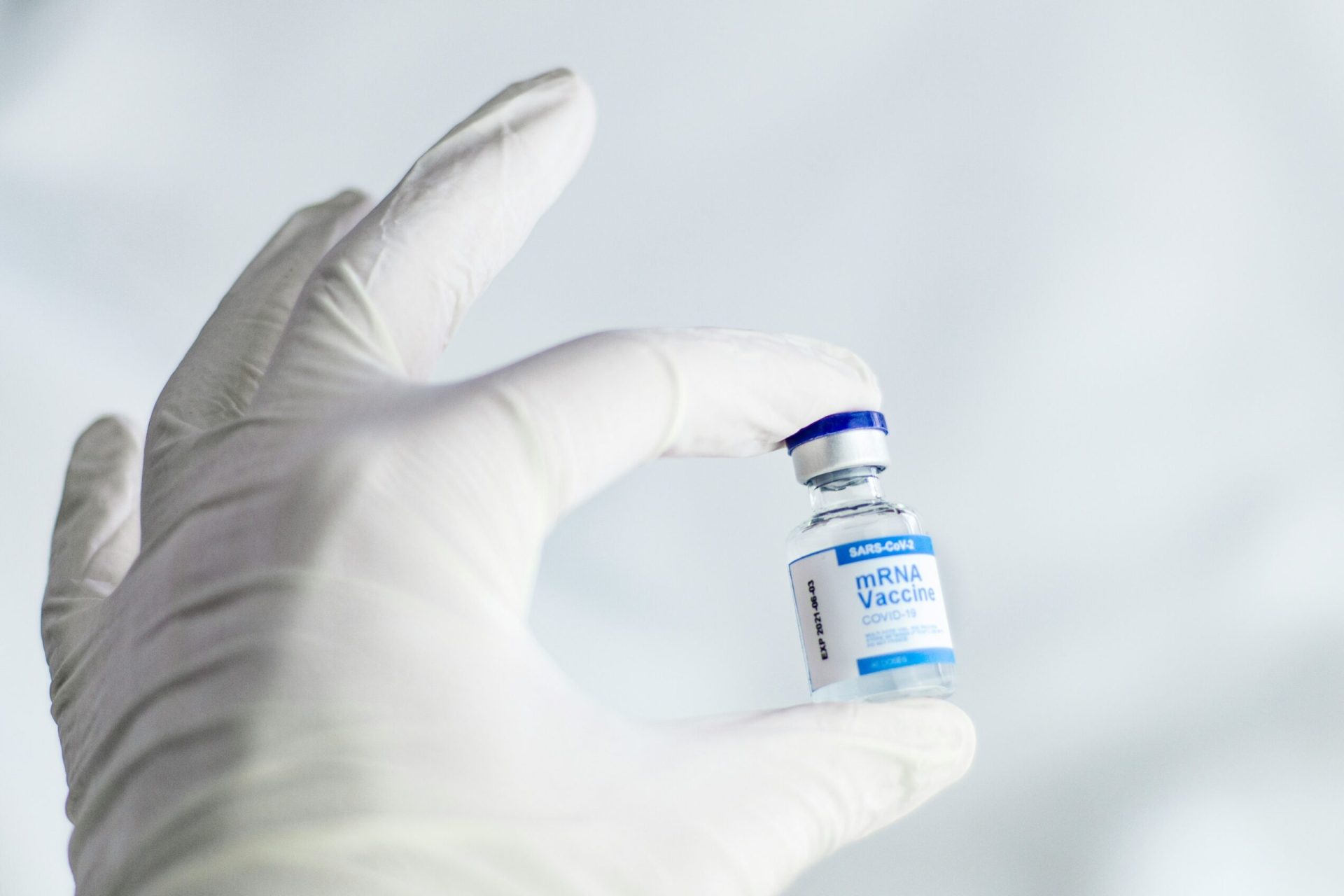
- 2–8°C → vaccines, insulin, biologics, specialty pharmaceuticals
- 15–25°C → controlled room temperature medicines
- -20°C → frozen food, dry ice alternatives, reagents
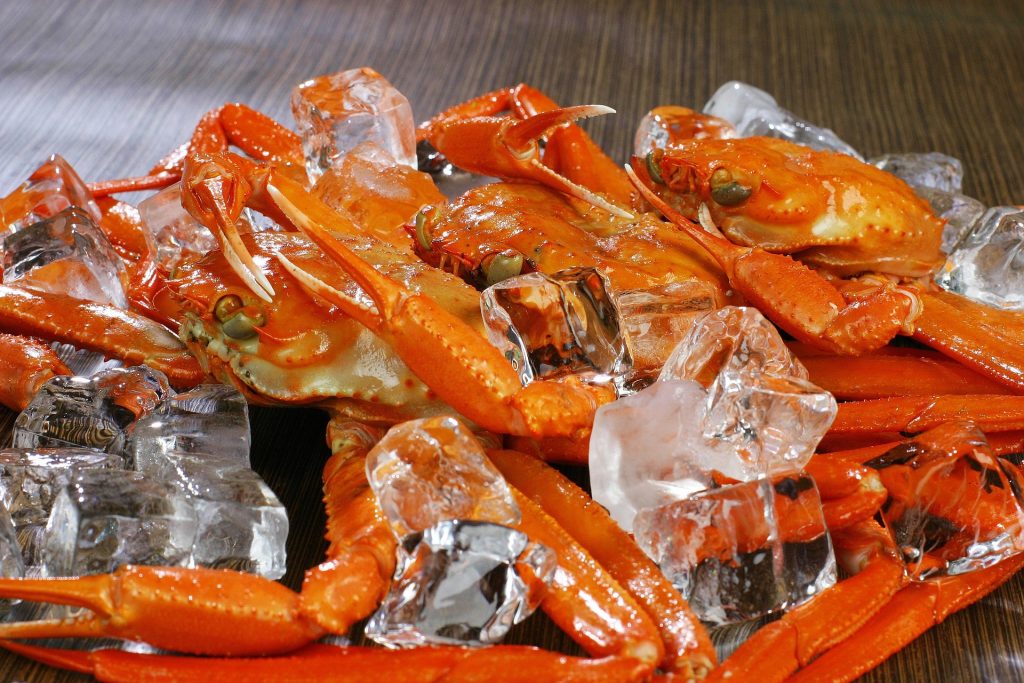
- Below 0°C but above freezing-sensitive point → seafood, fresh meat, certain diagnostics
The PCM melting point should sit close to the center or protective edge of the target temperature band, depending on whether cooling or anti-freeze protection is more critical.
*Common selection logic
- For 2–8°C shipping, choose PCM 5°C
- For CRT medicine transport, choose PCM 22°C
- For frozen delivery, choose PCM -18°C to -20°C
This ensures the latent heat release happens exactly where temperature stabilization is needed most.


Step 2: Consider Ambient Conditions
The external environment has a major impact on PCM performance.
Ask these questions:
- Will the shipment face summer high temperatures above 35°C?
- Is the package exposed to winter sub-zero conditions?
- Is it air freight, last-mile delivery, or warehouse storage?
- Will it be opened frequently?
- For hot climates, a lower PCM point may be preferred to improve cooling reserve. For cold climates, you may need dual-temperature PCM layers to prevent freezing damage.
*Example
A vaccine shipper for Southeast Asia may use:
- Inner layer: 5°C PCM for temperature hold
- Outer layer: 18°C PCM or insulation foam for heat buffering
This multi-layer strategy improves system robustness.
Step 3: Match Hold Time Requirements
Different use cases require different duration targets.
Typical cold chain hold times:
- 6–12 hours → food delivery / short route transport
- 24–48 hours → pharmaceutical parcel shipping
- 72–120 hours → international biologics logistics
Longer duration does not always mean lower PCM temperature. Instead, it often requires:
- More PCM mass
- Better insulation
- Optimized pack placement
- Higher latent heat formulation
The right temperature range must work together with thermal mass sizing.
Step 4: Check Product Freeze Sensitivity
Many temperature-sensitive products are damaged by freezing.
For example: vaccines / insulin / protein / biologics / fresh produce / chocolates
In these cases, choosing a PCM that is too cold can be worse than insufficient cooling.
For a 2–8°C payload, using standard ice packs (0°C) may cause edge freezing. A 5°C PCM is usually safer, because it stabilizes near the product target instead of overcooling.
This is one of the biggest reasons PCM outperforms traditional gel or water-based coolants.
Final Tip: Validate with Thermal Testing
Even the correct theoretical PCM temperature range should always be verified through:
- thermal simulation
- chamber testing
- ISTA summer/winter profiles
- real shipment validation
The ideal PCM solution is always a combination of:
- Correct melting point
- Sufficient latent heat capacity
- Proper pack geometry
- Insulation performance
A data-driven validation process ensures your cold chain solution is safe, efficient, and scalable.